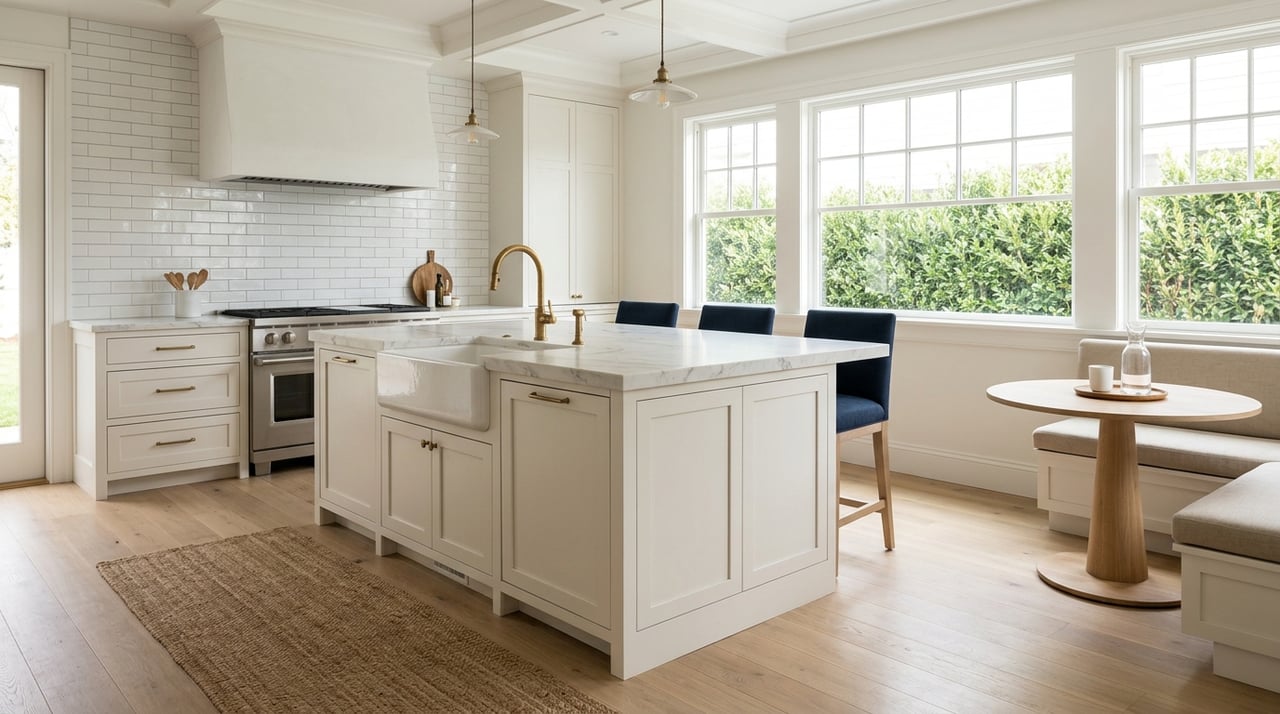
If you want to sell your Mount Pleasant home for the strongest possible result, timing and presentation matter more now than they did a few years ago. Buyers are still active, but they are more selective, and the market is correcting quickly when a home misses the mark on price or first impressions. The good news is that with the right launch plan, you can still stand out, attract serious interest, and protect your pricing power. Let’s dive in.
Why timing matters in Mount Pleasant
Mount Pleasant remains a relatively competitive market, but it is no longer moving at the breakneck pace many sellers remember. Over the three months ending in April 2026, homes sold for a median of about $850,000, took roughly 64 days to sell, and averaged two offers. The average sale-to-list ratio was 97.9%, and 29.3% of listings had price drops.
That mix tells you something important. Buyers are still watching Mount Pleasant closely, but they are less willing to chase overpriced listings. If you want maximum impact, your home needs to enter the market at the right time, with the right pricing strategy, and with a polished presentation from day one.
Spring is still the key window
National timing data points to mid-April as the strongest selling window in 2026, and local Charleston-area MLS activity supports the same general pattern. New listings rose sharply from winter into spring, with inventory and pending sales both climbing by April. In practical terms, that means spring is when more buyers are active, but it is also when more sellers are competing for attention.
For Mount Pleasant homeowners, that creates a clear takeaway. You usually want to be fully launch-ready before the spring surge, not scrambling to prepare once the market is already crowded. If your ideal list date is in early or mid-spring, your prep work should start well in advance.
Start preparing earlier than you think
One of the most common seller mistakes is underestimating how long preparation takes. Realtor.com found that 53% of sellers spend one month or less getting ready, which means many homeowners are working on a tight timeline. That can lead to rushed repairs, weak staging, and photos taken before the home is truly ready.
A smarter approach is to treat preparation as part of your marketing strategy, not just a to-do list. When your home hits the market fully cleaned up, staged, photographed, and positioned correctly, you have a better chance of capturing attention during the most important first week.
Mount Pleasant is not one market
A broad Mount Pleasant headline can be helpful, but it is not enough to guide a pricing and launch strategy. The area is better understood as two related submarkets with different performance patterns.
In April 2026, Upper Mount Pleasant posted a median sales price of $902,500, 97.1% of original list price received, and 44 days on market. Lower Mount Pleasant posted a median sales price of $1,235,000, 95.7% of original list price received, and 36 days on market.
That gap matters. A home in Lower Mount Pleasant should not be positioned the same way as a home in Upper Mount Pleasant just because both share a Mount Pleasant address. Neighborhood context, price point, and product type all shape how buyers respond.
Price by micro-market, not by hope
If your goal is maximum impact, pricing is your first marketing decision. In today’s market, overpricing often does not create room to negotiate. Instead, it can reduce urgency, extend days on market, and increase the chance of a later price drop.
That risk is especially important in Mount Pleasant, where nearly 30% of listings saw price reductions. With the median sale price down year over year and buyers paying close attention to value, a precise list price can help you preserve momentum and avoid chasing the market down.
Why price band matters
Buyer behavior shifts by price range across the Charleston Trident MLS. In April 2026, homes priced from $500,001 to $750,000 received 96.2% of original list price on average, while the $750,001 to $1,000,000 segment averaged 96.1%. For homes priced at $1,000,001 and above, that figure dropped to 93.8%, and months of supply rose to 4.6.
If your home is above the $1 million mark, the market is less forgiving. Buyers in that range tend to have more options, and they expect stronger execution. That means your pricing, staging, photography, and first-week rollout all need to be sharper.
Make your first week count
The strongest listings often do not win because they simply exist. They win because they launch with intent. In a market where buyers are comparing homes online before they ever set foot inside, your first week is when you can create urgency, signal value, and control the narrative.
That is especially true for Mount Pleasant, where many homes sit near the market median and small differences can meaningfully change the outcome. A clean, well-prepared home with strong media and realistic pricing can outperform a similar home that enters the market half-ready.
Focus on the prep that buyers notice
Not every improvement delivers the same return in buyer perception. The most effective prep usually includes repairs, decluttering, light cosmetic updates, and staging that helps buyers see how the home lives. These steps support both in-person showings and online marketing.
Staging is especially relevant. In the 2025 Profile of Home Staging, 83% of buyers’ agents said staging made it easier for buyers to visualize a property as a future home. The rooms most often staged were the living room, primary bedroom, and dining room, while buyers viewed the living room, primary bedroom, and kitchen as especially important spaces.
Prioritize the rooms that shape perception
If you are deciding where to focus your time and budget, start with the spaces buyers notice first and remember longest. In many homes, that means the living room, kitchen, and primary bedroom. These rooms often carry the emotional weight of the showing.
You do not always need a full renovation to improve them. Better lighting, fresh paint, furniture edits, and a more open layout can make a meaningful difference in how your home is photographed and how it feels in person.
Media is no longer optional
Today, your listing goes live online before it comes alive in person. According to NAR, 52% of buyers found the home they purchased online, and nearly half began their search there. NAR also reports that 81% of buyers see listing photos as the most useful feature in the online search process.
That is why polished visuals are essential. Photos, video, virtual tours, and floorplans all help buyers understand the home more clearly and decide whether it is worth a closer look.
Why polished marketing matters in Mount Pleasant
Mount Pleasant does not draw interest only from nearby buyers. Redfin migration data shows inbound search interest from markets like Washington, DC, New York, Atlanta, Chicago, and Boston. That means your listing may be competing for attention from buyers who are evaluating homes remotely before planning a trip.
For those buyers, strong media can do more than make a listing look attractive. It can create confidence, answer early questions, and motivate a showing request. In a coastal market with luxury and upper-mid inventory, presentation has real strategic value.
Agent outreach still plays a major role
Digital visibility matters, but so does professional distribution. NAR reports that 88% of buyers purchased through an agent or broker, and 90% of sellers used an agent. That supports a launch strategy that combines public-facing marketing with strong agent-to-agent exposure.
For sellers, this matters because the right buyer may come through a trusted advisor, not just a search portal. A thoughtful listing campaign should be built to reach both audiences at the same time.
A smart listing timeline for Mount Pleasant sellers
If you want to list for maximum impact, think in phases rather than a single go-live date. A clear sequence helps you stay organized and keeps your launch from feeling rushed.
4 to 6 weeks before listing
- Review pricing based on your specific neighborhood, product type, and price band
- Make needed repairs
- Declutter and simplify rooms
- Schedule any light cosmetic updates
- Begin staging planning
1 to 2 weeks before listing
- Finish staging and final styling
- Complete deep cleaning
- Photograph and film the home only once it is fully ready
- Prepare floorplans and marketing materials
- Confirm launch pricing and showing strategy
Listing week
- Go live with polished media and clear positioning
- Make showings easy to schedule
- Monitor early feedback closely
- Measure interest quickly so you can respond before momentum fades
What maximum impact really means
Maximum impact is not just about listing on the busiest week of the year. It is about entering the market when buyers are active and presenting your home in a way that feels complete, compelling, and correctly priced. In Mount Pleasant, where the pace has normalized and buyers have more room to compare options, that discipline matters.
The sellers who tend to perform best are the ones who prepare early, price with precision, and treat launch quality as a priority. When you combine neighborhood-specific strategy with elevated marketing, you give your home the best chance to stand out.
If you are thinking about selling in Mount Pleasant, the right plan starts with a close look at your home, your timing, and your specific micro-market. For a complimentary home valuation or a tailored listing strategy, connect with Key Avenue Group.
FAQs
When is the best time to list a home in Mount Pleasant, SC?
- Spring is typically the strongest window because buyer activity rises then, but the best results often come from being fully prepared before the spring inventory surge.
How long does it take to sell a home in Mount Pleasant, SC?
- Over the three months ending in April 2026, homes in Mount Pleasant took about 64 days to sell on average.
Should I price my Mount Pleasant home above market value to leave room to negotiate?
- In the current market, overpricing can hurt momentum. With 29.3% of listings seeing price drops, accurate pricing is often the better strategy.
Does staging help when selling a Mount Pleasant home?
- Yes. NAR reported that 83% of buyers’ agents said staging made it easier for buyers to visualize a home as a future home.
What marketing assets matter most for a Mount Pleasant listing?
- High-quality photos are essential, and video, virtual tours, and floorplans can also help buyers evaluate the home and decide whether to schedule a showing.
Is the strategy different for Upper Mount Pleasant and Lower Mount Pleasant homes?
- Yes. Recent MLS data shows differences in median price, days on market, and original list price received, so pricing and positioning should reflect the specific submarket.