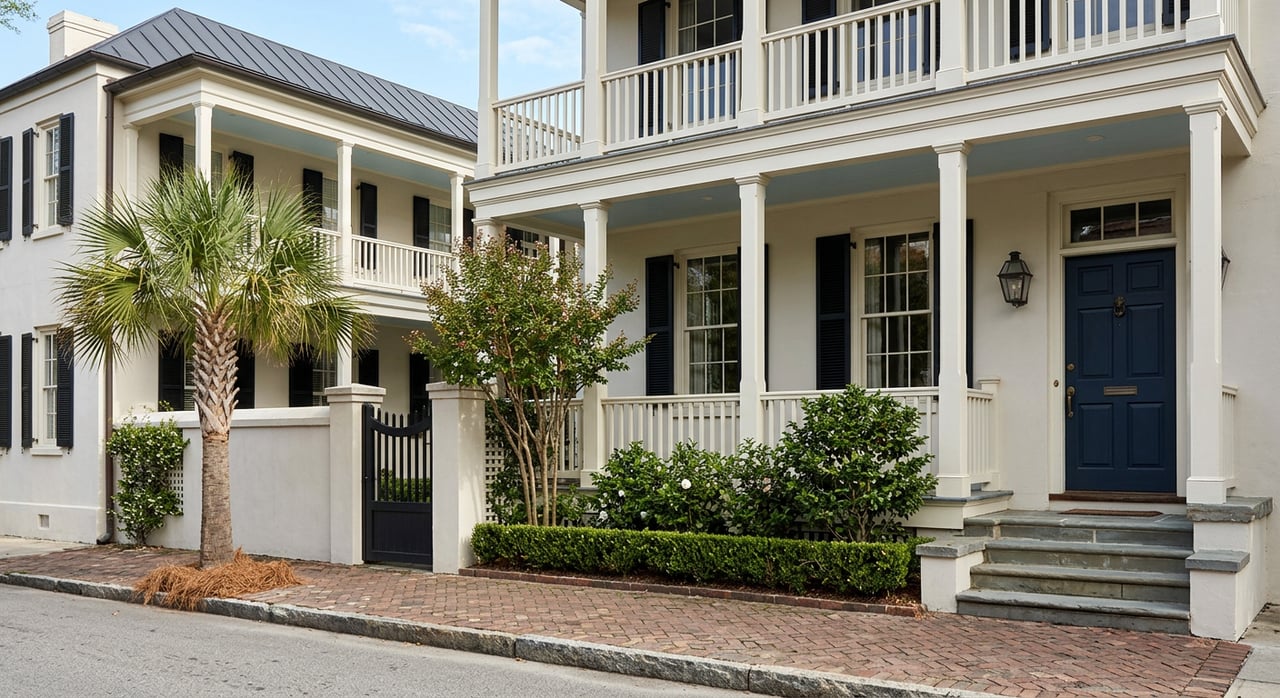
Imagine stepping out your front door to cobblestone streets, live oaks, and salt air, with galleries, cafes, and the harbor all within a short stroll. If you love historic architecture and a lively cultural calendar, downtown Charleston can feel like a dream. At the same time, you want to be clear on costs, flood risk, parking, and renovation rules before you buy. This guide lays out the lifestyle, neighborhood feel, price ranges, and key checks to make a confident decision. Let’s dive in.
Why the peninsula draws you
Living on the Charleston peninsula means everyday life is close at hand. Many addresses are highly walkable, and local guides often describe central downtown as a “walker’s paradise.” You can cover errands, dining, and cultural stops in a single loop, which is a big part of the charm. Explore a quick take on walkability in downtown Charleston.
Charleston’s art and performance scene adds steady energy. The Gibbes Museum of Art and historic theatres support exhibits and shows year-round. Each spring, the city hosts major festivals such as Spoleto, which draw visitors and performances across genres. See the calendar at the Gibbes Museum of Art.
Dining and shopping stay centered on King Street. Lower King leans antiques and galleries, Middle King is fashion-forward, and Upper King brings a strong restaurant and evening scene. Marion Square is the setting for regular public events and the seasonal farmers market. Get a feel for the corridor on King Street’s dining and shopping guide. For a classic Charleston experience, the City Market’s historic halls feature local vendors and Gullah sweetgrass basket makers.
Waterfront time is part of daily life. You can walk the Battery and White Point Garden at sunrise, relax at Waterfront Park in the afternoon, or watch boats along the harbor. Marinas and tour ferries provide easy access to the water for fishing and day trips.
Neighborhoods at a glance
South of Broad
South of Broad feels residential and serene, with postcard blocks near the Battery, pastel rowhouses, and grand 18th and 19th century homes. Many properties fall under preservation rules, which helps maintain the historic fabric. Pricing here is among the highest on the peninsula, with limited turnover and premium price per square foot.
Expect narrow streets, smaller lots, and limited off-street parking at older homes. Low-lying locations can carry higher flood exposure and insurance costs. The tradeoff is a quiet setting, stately architecture, and iconic waterfront promenades.
Harleston Village
Harleston Village centers life around tree-lined blocks and Colonial Lake. You will find a mix of restored single-family homes, townhomes, and condo conversions. It appeals to people who want a residential feel and quick access to parks, the College of Charleston, and downtown dining.
Prices tend to sit below the most exclusive South of Broad addresses. You will see occasional smaller condos under $500,000 and single-family homes in the seven-figure range. Parking and lot sizes vary by block, so verify on a property-by-property basis.
French Quarter
The French Quarter is compact, walkable, and immersed in art galleries, museums, and the City Market. Streets are narrow and atmospheric, with historic warehouses and rowhouses that often include mixed-use or smaller condo and loft options. It puts you steps from Charleston’s visitor core, which brings energy and seasonal foot traffic.
Housing here spans unique historic residences to smaller apartments. Inventory is limited and can be competitive on desirable streets.
Other areas to compare
You may also explore Upper King and Cannonborough-Elliottborough for a trendier dining scene and modern infill. Ansonborough, Radcliffeborough, and Wraggborough offer a mix of historic homes and condo options with varying street-by-street character. Market metrics differ widely by block, so a local perspective helps.
Getting around
Walking remains the easiest way to enjoy the peninsula. For short hops, CARTA operates buses and free DASH shuttles that circulate between attractions, parking hubs, and institutional areas like the College and MUSC. Learn more about CARTA and the DASH routes.
If you keep a car, plan ahead for parking. Many historic homes lack driveways, and off-street spaces add real value. Rideshare, pedicabs, and bikes are common for nights out and weekend events.
What homes cost
Peninsula pricing sits well above the broader metro. Recent public data shows median sale prices near the low to mid 1 million range, roughly 1.1 to 1.16 million, with South of Broad often far higher and other neighborhoods mixed by block and property type. At around $600,000, you are more likely looking at a smaller condo or a renovation project than a move-in ready single-family home in prime historic blocks.
Set expectations by property category and street. Narrow house footprints and preserved exteriors can mean higher price per square foot for historic homes. Smaller condos and lofts create entry points for downtown living.
Buyer checklist for historic downtown
Historic review and permits
Much of the peninsula lies in the City’s historic review areas. Exterior changes visible from public streets and most demolitions require Board of Architectural Review oversight. Review the City of Charleston BAR process and plan for design fees and a longer timeline for renovations.
Short-term rental rules
Short-term rentals are tightly regulated downtown. Eligibility depends on category, owner-occupancy, unit count, and off-street parking, and the Old and Historic District is especially limited. Always confirm your property and category under the City’s STR criteria before modeling income.
Flood risk and insurance
High-tide and storm-related flooding are ongoing considerations on the peninsula. Federal data shows an increase in nuisance flooding days for many coastal communities, and projections point to continued change over time. Review local conditions using NOAA’s high-tide flooding resources and track planning work that incorporates federal sea-level projections in resilience design. Verify FEMA flood zones, current flood insurance premiums, and any mitigation work completed at the property.
Tourism, events, and seasonality
Convenience comes with weekend and festival crowds, especially spring through early fall. Expect more foot traffic near King Street, the French Quarter, and the Market on event days. Quieter residential streets are available, but they still feel the ebb and flow of a lively downtown.
Everyday logistics
- Parking: Value off-street spaces when they exist. City rules also tie some STR categories to parking counts.
- Maintenance: Historic homes can carry higher upkeep and specialized trades.
- Institutions: The College of Charleston and MUSC add daytime energy and programming. Confirm public-school attendance boundaries directly with the Charleston County School District for any specific address.
- Groceries: Many residents rely on nearby markets, specialty shops, and farmers market runs, with larger supermarkets a short drive away.
Is downtown right for you?
If you want a walkable life surrounded by art, architecture, and water, the peninsula delivers a rare mix of beauty and access. Pricing is premium, and you should plan for flood and historic review considerations. The right strategy blends neighborhood nuance with a clear understanding of rules, costs, and property-specific risks.
If you are ready to explore options, request a private tour or a pricing discussion with Key Avenue Group. Our team pairs local expertise with national-level marketing to help you buy or sell with confidence.
FAQs
How walkable is historic downtown Charleston for daily errands?
- Many addresses are highly walkable to dining, parks, and cultural sites, though larger grocery trips may still require a short drive.
What does $600,000 typically buy on the Charleston peninsula?
- Often a smaller condo or a renovation opportunity, since peninsula median prices are near the low to mid 1 million range.
Are short-term rentals allowed in historic downtown Charleston?
- They are restricted and category-based; confirm eligibility, owner-occupancy, and parking under the City’s STR rules before assuming income potential.
Do I need flood insurance for a home in historic downtown Charleston?
- Many areas benefit from flood insurance; verify FEMA flood zones, current premiums, and any mitigation on the specific property.
How strict is Charleston’s historic review for renovations?
- Exterior changes visible from public streets usually require BAR review, which can add design steps and extend timelines.
What is the best way to get around the peninsula without a car?
- Walking is easiest, with CARTA buses and free DASH shuttles helping for short trips between attractions and parking hubs.