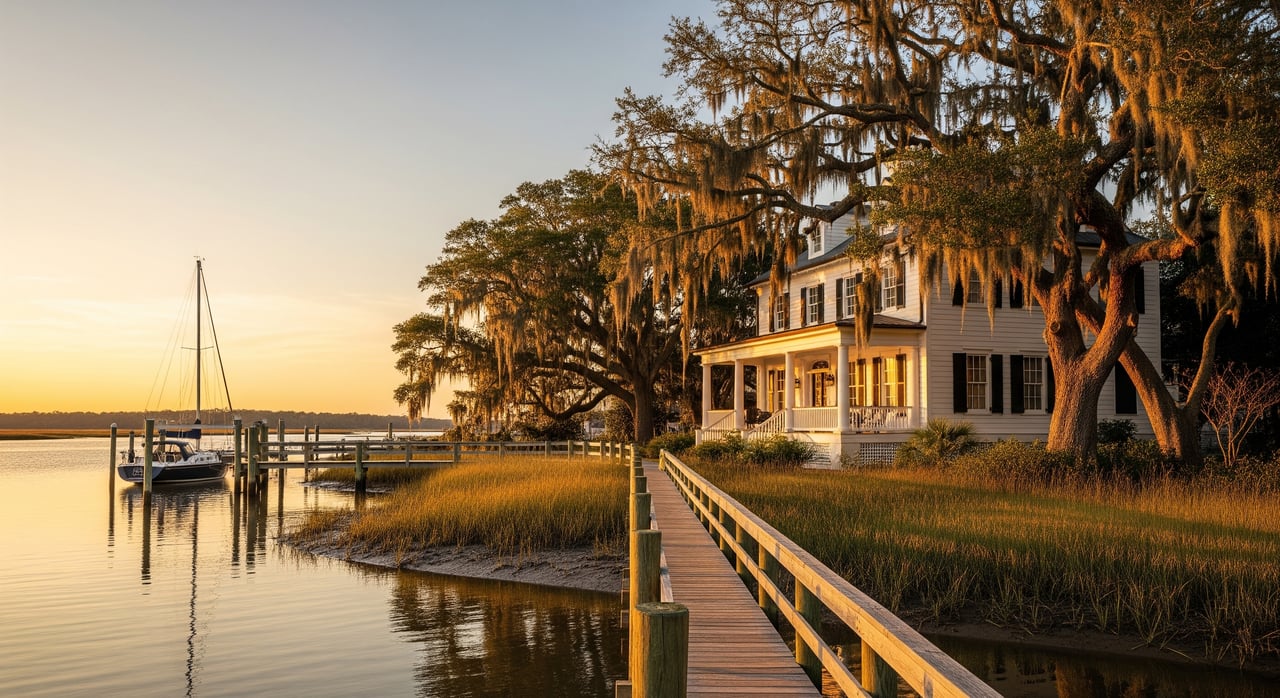
Thinking about moving to Mount Pleasant and not sure where to start? You are not alone. Between historic streets by Shem Creek, master-planned suburbs, and beach-proximate pockets, it can feel like there are three great choices for every one decision. In this guide, you will learn how the main neighborhoods differ, what to verify for schools and commutes, and what to expect from the local market so you can narrow your search with confidence. Let’s dive in.
How to choose your Mount Pleasant fit
Start with your day-to-day life. List your top three priorities: commute, school access, and lifestyle. Then layer in budget, HOA preferences, and your comfort with flood risk.
Use this quick framework:
- Commute: Which bridge or connector will you use most often? Test the route during peak hours.
- Schools: Confirm the exact school assignment for each address with the Charleston County School District.
- Lifestyle: Decide if you want walkable dining and parks or larger lots and on-site amenities.
- Risk and costs: Check FEMA maps for flood risk, HOA dues, and typical insurance costs.
Neighborhood snapshots
Old Village
Closest to the Arthur Ravenel Jr. Bridge and adjacent to Shem Creek, Old Village is the historic core of Mount Pleasant. You will find restored cottages, renovated historic homes, and selective infill on generally smaller lots. The feel is walkable and intimate, with dining and water access close by.
Best fit: professionals or anyone who wants a short hop to downtown Charleston and a true village lifestyle. Proximity to Mount Pleasant Memorial Waterfront Park and restaurants along Shem Creek is a major plus. Market tier: upper, with pricing influenced by location and limited supply.
I’On
A planned, New Urbanist community near key retail corridors and the Isle of Palms connector, I’On offers sidewalks, pocket parks, and neighborhood events. Housing includes townhomes and detached homes built mostly in the last 20 to 30 years with consistent architecture.
Best fit: buyers who value community amenities, walkability inside the neighborhood, and a strong HOA structure. Daily errands often require a car, yet on-site social life is active. Market tier: upper, with strong resale appeal due to design and community branding.
North Mount Pleasant
Stretching north of central Mount Pleasant, this broad area includes older pockets and many newer subdivisions. Homes skew newer, with some larger lots and several townhome options. The vibe is suburban and quieter compared to waterfront cores.
Best fit: families seeking more space and newer construction relative to the same budget closer to the bridge. Development continues, so keep an eye on planned infrastructure that may influence values. Market tier: entry to mid, varying by subdivision and age.
Carolina Park, Park West, Dunes West, Snee Farm
These master-planned communities offer pools, trails, and, in some cases, golf and gated sections. Housing ranges from townhomes to newer single-family homes. Schools are often nearby, and on-site amenities make daily life convenient.
Best fit: buyers who want neighborhood amenities and a family-friendly setting. Expect HOAs with amenity rules and fees that should be factored into your budget. Market tier: mid to upper depending on the specific community and amenity set.
Belle Hall, Towne Centre, I-526 corridor
Close to major retail and dining, these areas prioritize convenience and faster highway access. Housing mixes include townhomes, condos, and newer single-family neighborhoods. Walkability varies within shopping centers and designed nodes.
Best fit: anyone who wants quick access to shops, services, and I-526 for regional travel. Expect car-based errands with pockets of walk-to-dining options. Market tier: entry to mid, with options for first-time buyers and downsizers.
Mount Pleasant Waterfront and Isle of Palms connector area
Near beach approaches and coastal recreation, this corridor includes luxury waterfront homes and select condo options. Seasonal traffic toward the islands can affect drive times. Lifestyle focuses on boating, beach days, and outdoor living.
Best fit: buyers who want priority access to water and beaches. Consider peak-season traffic patterns when planning commutes. Market tier: upper for waterfront, with varied pricing for non-waterfront homes and condos.
Schools and zoning: what to verify
Public schools fall under the Charleston County School District (CCSD), and boundaries can shift by year. School assignment can vary street by street, so confirm for the exact address using the CCSD website and by contacting enrollment offices directly. Many families look at feeders for preferred elementary and middle schools, and large portions of Mount Pleasant are served by Wando High School, but you should always verify for the specific property.
For performance data, pair local knowledge with third-party and official resources. Review snapshots on GreatSchools and check official state report cards via the South Carolina Department of Education report cards. If schools are a top priority, schedule campus visits to get a feel for logistics and programs.
Commute patterns and transportation
Most downtown commuters use the Arthur Ravenel Jr. Bridge. Key routes through Mount Pleasant include US-17, SC-703 near Patriots Point, and the Isle of Palms connector. For airport and North Charleston access, I-526 is the primary route.
Traffic peaks during morning and evening rush. Commute times vary by neighborhood and day, so plan at least one test drive at your actual commute hour. Limited public transit is available through CARTA, which operates area bus service. Check CARTA’s route information for service to and from Mount Pleasant. For planned roadway work and traffic projects that could affect drive times, monitor SCDOT updates.
Lifestyle and amenities
Waterfront life is a major draw. Shem Creek offers kayaking, fishing, and sunset dining, while Mount Pleasant Memorial Waterfront Park is a favorite for playgrounds, pier walks, and community gatherings. Beaches on Isle of Palms and nearby Sullivan’s Island are an easy drive.
Retail is clustered along US-17, Belle Hall Parkway, and the Towne Centre area, where you will find grocery stores, medical clinics, and specialty shops. Many planned communities include trails and neighborhood green spaces, which can reduce the need to drive for recreation.
Mount Pleasant is coastal, so flood risk deserves attention. Review FEMA flood maps and ask for elevation certificates where available. The Charleston County GIS portal and Town of Mount Pleasant resources can help you understand parcel details, flood zones, and planning overlays.
Helpful links:
Housing market signals and strategy
Expect a full mix of inventory. Historic cottages and renovated bungalows cluster near Old Village. Newer construction is common in North Mount Pleasant and communities like Carolina Park. You will find townhomes and condos near Belle Hall and Towne Centre, while golf and waterfront properties are common in places like Dunes West and Snee Farm.
New construction offers modern floor plans and warranties, often with longer drives to central job nodes and HOA fees for amenities. Resales in highly desirable micro-communities such as I’On and Old Village are limited and can trade at a premium. Mount Pleasant overall often commands higher prices than the county average due to location, school reputation, and coastal lifestyle. For current median prices, days on market, and inventory, check the Charleston Trident Association of REALTORS for market snapshots at CTAR.
Financing and insurance deserve attention. Lenders may require flood insurance for floodplain-designated properties. For older homes, inspections that cover termites, wood structure, and drainage are common. Many neighborhoods have HOAs with design controls and amenity fees that should be included in your monthly budget.
Buyer search checklist
- Confirm school assignment for the exact address with CCSD.
- Run a flood risk review and insurance estimate using FEMA maps.
- Do at least one peak-hour commute test drive from the property.
- Review HOA covenants, rules, and fees.
- Ask for recent utility and insurance costs.
- Request recent comparable sales from the last 6 to 12 months.
Next steps with a local advisor
Choosing the right Mount Pleasant neighborhood comes down to fit. Your ideal spot will align your commute, school plan, lifestyle, and long-term goals. A trusted local team can save you weeks of searching by focusing your tour on the streets and micro-pockets that match your criteria.
If you want curated neighborhood advice, private showings, and polished guidance from a team that blends local mastery with national production, connect with Key Avenue Group. We offer concierge-level buyer representation, smart search tools, and SERHANT. Signature marketing for sellers who want premium exposure. Request a private tour or get your complimentary home valuation today.
FAQs
Which Mount Pleasant neighborhoods are most walkable?
- Old Village and I’On stand out for walkability, while Belle Hall and Towne Centre areas offer select walk-to-shop convenience depending on the specific street and development.
How should I verify schools for a Mount Pleasant home?
- Use the Charleston County School District site to confirm the exact address, then review data on GreatSchools and state report cards via SCDE.
What should I expect for commute times to downtown Charleston?
- Commute times vary by neighborhood and hour, with peak congestion over the Ravenel Bridge; do at least one test drive during your typical rush-hour window.
Do I need flood insurance in Mount Pleasant?
- If the home lies in a FEMA Special Flood Hazard Area or your lender requires it, you will need a policy; confirm risk on the FEMA Flood Map Service Center.
Are there good options for young professionals?
- Yes, consider townhomes and condos near Belle Hall and Towne Centre, plus walkable pockets in I’On and Old Village that offer faster access to downtown via the Ravenel Bridge.
How much do HOAs cost in master-planned communities?
- Fees vary by neighborhood and amenity package; review the current HOA budget and rules before you make an offer and build dues into your monthly plan.