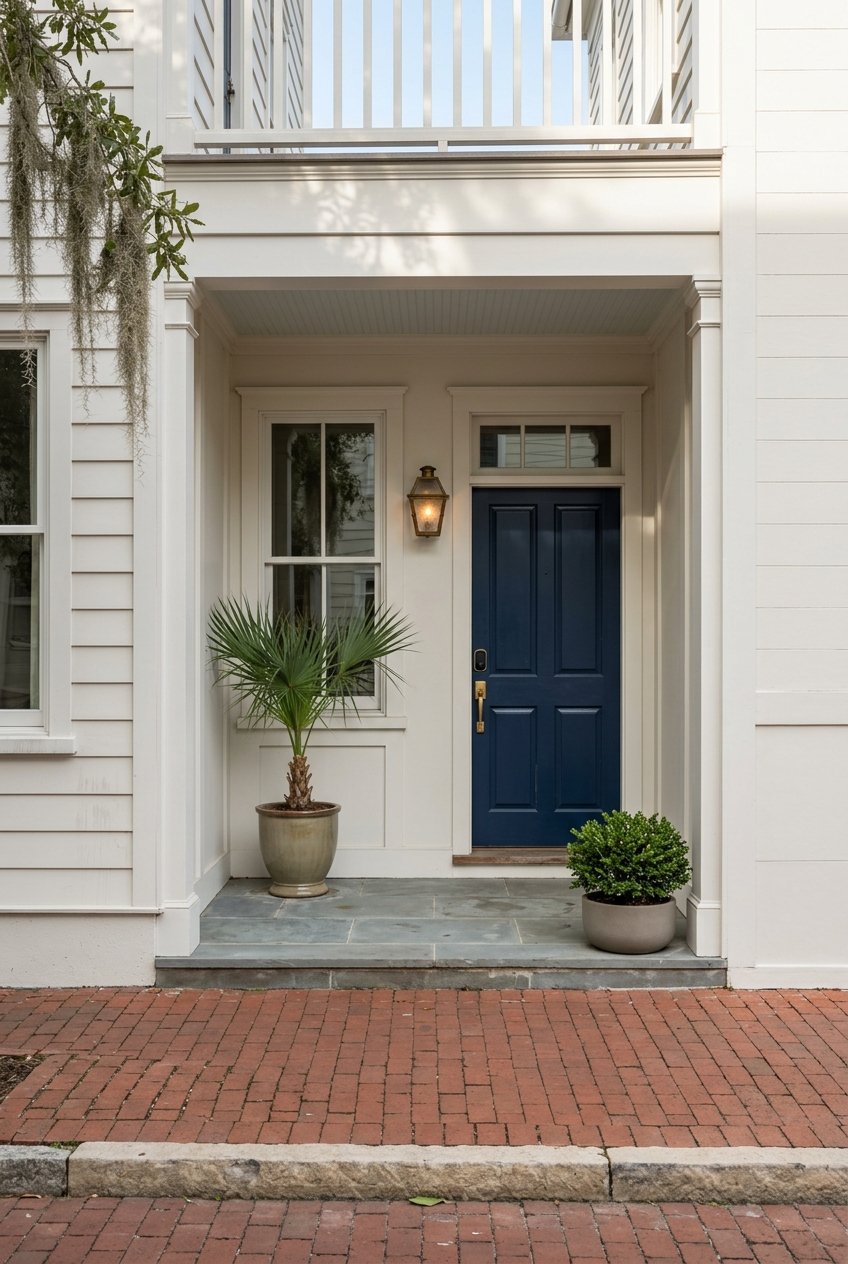
If you want a Charleston home that feels elegant, central, and easy to step away from, downtown lock-and-leave living deserves a close look. For many buyers, the goal is simple: less time managing a property and more time enjoying the city, whether you live here full-time, visit seasonally, or travel often. In downtown Charleston, that lifestyle is possible, but it comes with specific tradeoffs you should understand before you buy. Let’s dive in.
Why downtown Charleston works
Downtown Charleston offers one of the most walkable settings in the region. In the 29401 core, Walk Score rates the area at 93 out of 100, which qualifies as a Walker’s Paradise. That means many daily errands can be handled without getting in your car.
The City also identifies historic downtown as the region’s shopping and dining hub. On the peninsula, amenities are close together, and the area supports a more car-light routine with some transit access and very bikeable conditions. If your version of convenience means coffee, dinner, and everyday essentials within reach, downtown has a strong case.
That convenience is a big reason lock-and-leave buyers focus here. Instead of a larger lot and more exterior upkeep, you often get a smaller footprint, a central location, and a home that can be easier to manage when life gets busy.
What lock-and-leave really means
Lock-and-leave does not mean maintenance-free. A better way to think about it is lower day-to-day hassle. You may have less yard work, fewer exterior chores, and fewer routine tasks compared with a larger standalone property.
At the same time, downtown ownership often involves shared building systems, parking planning, flood diligence, and in some cases historic-review rules for exterior changes. The right fit depends on how you balance convenience, privacy, and responsibility.
For second-home owners, frequent travelers, and busy professionals, that tradeoff can be well worth it. If you want a home base in Charleston without the demands of a larger property, downtown often delivers the right mix of access and ease.
Condo living in downtown Charleston
Many newer downtown condos are designed to make ownership feel more hands-off. Buildings in the luxury segment often include amenities and services that support a streamlined lifestyle, especially for owners who are not in town every day.
For example, The Gadsden is marketed with concierge service, an owner’s lounge, a clubroom, a roof deck, and a rooftop pool. The Jasper highlights features such as covered on-site parking, on-demand concierge services, EV charging, fitness space, terraces, and rooftop amenities. While every building is different, these examples show how downtown condos often package convenience into the ownership experience.
That matters if you value service and simplicity. A condo may give you more support systems in place, plus less direct involvement in exterior upkeep and common-area management.
What the HOA may cover
In South Carolina condominiums, the association is responsible for maintaining common elements, and owners contribute to those shared expenses. That structure is one of the legal foundations behind condo-style lock-and-leave living.
In practical terms, some regimes may cover items that reduce owner management. One downtown listing at 40 Bee Street noted that the HOA covered flood and exterior insurance as well as monthly water use. That is not universal, but it shows why reviewing the regime documents and monthly dues is so important.
When you evaluate a condo, ask for a clear breakdown of what the association handles and what remains your responsibility. The monthly fee may be buying you more convenience than it first appears.
Townhomes and rowhomes offer a different feel
If you want more privacy or more architectural character, a downtown townhome or rowhome may be the better match. These properties often trade a long amenity list for features like private outdoor space, off-street parking, and a more independent ownership style.
Local listing examples reflect that pattern. One Adgers Wharf townhome features multiple outdoor spaces, a rooftop deck, off-street parking, and an elevator, while another Broad Street townhome emphasizes a gated private courtyard and off-street parking. These details show how downtown buyers can still enjoy outdoor living without taking on the maintenance of a large lot.
For some buyers, that is the sweet spot. You keep the location and much of the convenience, but gain a more private setting and a stronger sense of individuality.
Parking is a major buying factor
Parking can be one of the biggest practical tradeoffs in downtown Charleston. If you are considering a lock-and-leave purchase, this should be part of the conversation from the very beginning.
The City currently reports no vacancies for monthly parking accounts in city garages and lots, and it is not adding a waiting list. Those facilities remain open for daily and visitor parking, but that is very different from having a guaranteed long-term spot. On-street meters are active Monday through Saturday from 9 a.m. to 6 p.m. at $3 per hour, and parts of King Street have added nighttime restrictions on Thursday, Friday, and Saturday.
Residential parking permits help, but they are also limited. The City issues digital residential permits and limits them to two permits per residential unit in a parking district, with visitor permit booklets available for homeowners.
Questions to ask about parking
Before you move forward with any downtown property, ask:
- Does the home include deeded parking?
- Is there a private garage or reserved off-street space?
- Is parking covered, gated, or shared?
- Are you relying only on residential street parking?
- If it is a condo, is parking assigned in the regime documents?
In downtown Charleston, off-street parking is not just a convenience feature. It can be a meaningful value driver and a major quality-of-life factor.
Historic district rules matter
Charleston’s historic setting is part of what makes downtown so appealing, but it also adds another layer to ownership. If a property is within the city’s historic districts, certain exterior work visible from the public right-of-way may require review.
The Board of Architectural Review oversees new construction, alterations, and renovations visible from the public right-of-way within those districts. Minor items such as painting, repairs, signage, and some sitework are typically reviewed by staff rather than the full board. Even so, the key point is that exterior changes are not always as simple as they would be elsewhere.
If you are buying with plans to replace windows, update roofing, or change visible exterior finishes, it is wise to understand the approval path early. A low-maintenance home can still come with process and planning.
Flood diligence should be part of the plan
Flood planning is another important part of buying in Charleston. The City states that all properties in Charleston are in a flood zone, and properties in the Special Flood Hazard Area are subject to mandatory flood-insurance purchase requirements. The City also notes that standard homeowners insurance does not cover flood damage.
That does not mean downtown ownership is off the table. It means you should verify the flood designation for the specific address and understand what insurance may be required before closing.
For lock-and-leave buyers, this matters because flood preparation and insurance planning are part of the ownership picture. It is one more reason to look beyond the finish level and focus on the full operating story of the property.
How to choose the right downtown setup
The best downtown lock-and-leave home depends on how you plan to use it. If you want concierge services, shared amenities, and less direct exterior responsibility, a condo may be the stronger fit. If you want more privacy, more character, and perhaps a courtyard, rooftop deck, or private parking, a townhome may make more sense.
As you compare options, focus on the details that shape daily ownership:
- Building services and amenity package
- HOA coverage and monthly costs
- Parking arrangement and ease of access
- Historic-review implications for future updates
- Flood-zone status and insurance needs
- How often you expect to be away from the property
A polished kitchen and beautiful architecture matter, but for lock-and-leave living, the operational details often make the biggest difference.
Why local guidance matters
Downtown Charleston is not a one-size-fits-all market. Two properties can offer a similar look and location but have very different ownership experiences depending on parking, association structure, exterior obligations, and building services.
That is where local guidance becomes especially valuable. When you are buying for convenience, the goal is not just to find a beautiful home. It is to find the right fit for the way you actually live, travel, and spend your time.
If you are considering lock-and-leave living in downtown Charleston, Key Avenue Group can help you evaluate the details that matter most and arrange a private tour tailored to your goals.
FAQs
What does lock-and-leave living in downtown Charleston mean?
- It usually means a lower-maintenance ownership style with less exterior upkeep and fewer day-to-day property demands, but not a completely maintenance-free home.
Are downtown Charleston condos good for second-home buyers?
- They can be a strong option for second-home buyers because some buildings offer amenities, concierge-style services, and association-managed common areas that support a more hands-off lifestyle.
Is parking hard to find in downtown Charleston?
- Parking can be a key challenge downtown, so you should confirm whether a property includes deeded, reserved, garage, or off-street parking before you buy.
Do Charleston condo HOAs cover insurance and maintenance?
- Condo associations are responsible for common elements under South Carolina law, and some may also cover items like exterior insurance, flood insurance, or water, but coverage varies by property.
Do historic district rules affect downtown Charleston homes?
- Yes. Exterior work visible from the public right-of-way within Charleston’s historic districts may require review, so planned updates should be evaluated early.
Do you need flood insurance for a downtown Charleston property?
- The City states that all properties are in a flood zone, and homes in the Special Flood Hazard Area have mandatory flood-insurance purchase requirements, so address-level verification is important before closing.