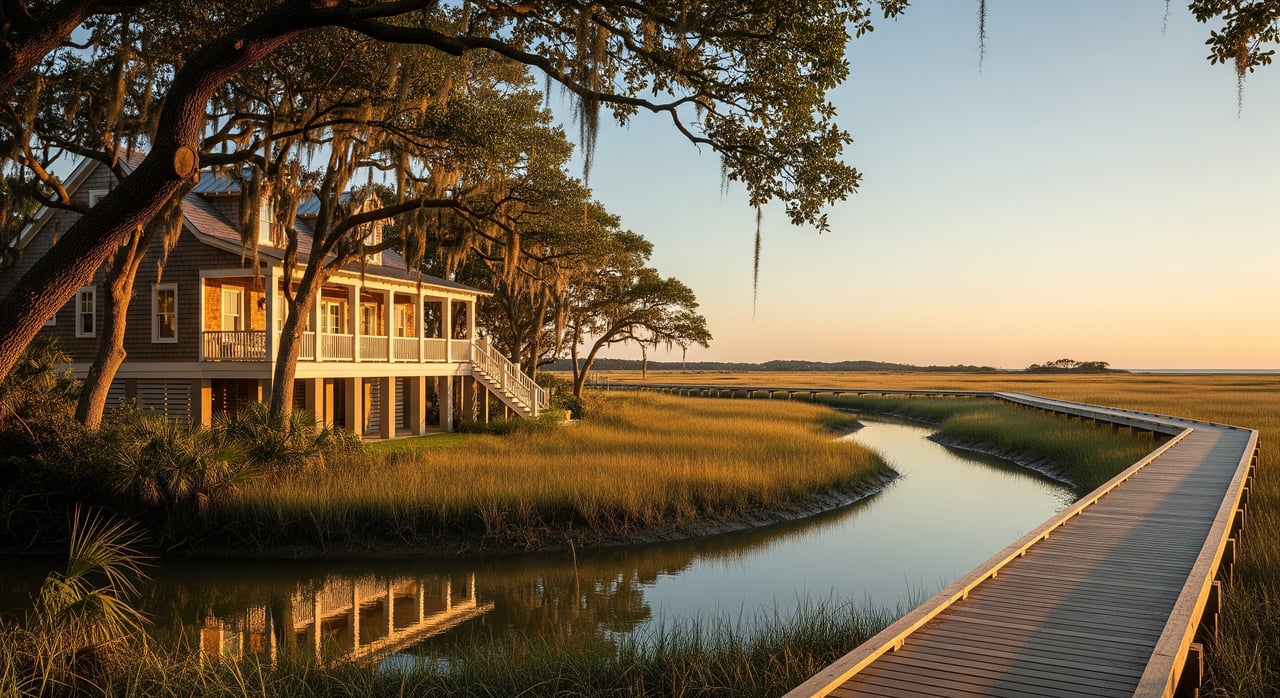
Trying to decide between Kiawah Island and Seabrook Island for your Lowcountry retreat? You are not alone. Both islands promise wide beaches, mature maritime forest, and a private, gated setting near Charleston. The right choice comes down to how you want to live, play, and manage your home.
In this guide, you will learn the core lifestyle differences, how club and HOA rules impact daily life, what to expect from beaches and wildlife protections, and how ownership and rental profiles compare. You will also see a clear decision checklist to help you match each island to your goals. Let’s dive in.
Two islands at a glance
- Kiawah Island: A resort‑oriented destination with world‑class golf, high‑end hospitality, and a steady flow of visitors. Homes often sit on oceanfront or golf‑front lots with luxury finishes. Average prices tend to be higher than Seabrook.
- Seabrook Island: A quieter, residential community with private club amenities and low‑profile beach life. Homes range from condos and cottages to single‑family residences on wooded and marsh lots, often at more accessible price points than Kiawah.
- Shared traits: Both are private, low‑density barrier islands with active property owner associations, private clubs, protected natural areas, and seasonal population swings. Membership rules, HOA fees, and rental policies vary by community and matter for buyers.
Atmosphere and community vibe
Kiawah Island vibe
Kiawah has a refined resort feel. The Kiawah Island Golf Resort and its flagship hotel, The Sanctuary, anchor a hospitality ecosystem with dining, spa, events, and seasonal programming. You will see more service staff, more visitors, and a social calendar that often revolves around golf and resort activities.
Neighborhoods include planned enclaves near courses and lagoons, with pockets of higher density near resort hubs. Buyers often choose Kiawah for prestige golf, concierge‑style services, and stronger vacation rental demand.
Seabrook Island vibe
Seabrook leans residential and community‑centric. The island emphasizes conservation, low‑impact development, and private beach experiences geared to members and owners. Streets feel wooded and secluded, and social life often centers on owner‑driven events and club activities.
You will find fewer on‑island commercial venues and less transient traffic. Buyers who want privacy, a neighborhood feel, and a calmer pace tend to gravitate here.
Beach and nature experience
Access and daily feel
Both islands offer long stretches of sandy Atlantic beach with dune systems and active coastal processes. Beach width changes with tides and location. On Kiawah, beaches can be busier near resort areas and during tournaments or major events. On Seabrook, beaches are typically quieter and used mainly by residents and club members.
Wildlife and conservation
Both islands are important habitat for shorebirds and sea turtles. Seasonal protections and nest monitoring are routine. To understand how nesting seasons impact beach use and lighting, review the South Carolina Department of Natural Resources sea turtle resources.
Coastal management, including dune stabilization and periodic nourishment, is part of responsible ownership in this region. For broader coastal policy and permitting context, consult state resources through the county and state agencies or your attorney.
Amenities and club access
Kiawah clubs and hospitality
Kiawah offers layers of access. Resort guests enjoy hotel, spa, and dining through the Kiawah Island Golf Resort. Private membership options through the Kiawah Island Club provide access to golf, dining, fitness, and other member facilities, with initiation fees, dues, and guest policies that change over time.
The island’s broader hospitality and concierge ecosystem is well‑developed, which can benefit owners who want full‑service support or who plan to rent.
Seabrook’s private club model
Seabrook centers on the Seabrook Island Club, which offers golf, tennis, fitness, dining, and a beach club for members. The model is membership‑based and historically geared to owners and longer‑term residents rather than resort guests.
On‑island commercial hospitality is lighter than Kiawah, which many buyers see as part of Seabrook’s appeal.
What this means for you
- Access to certain amenities requires club membership, which may be optional, mandatory, or tied to specific properties. Confirm the details before you write an offer.
- If you value on‑call services and dining variety, Kiawah’s resort infrastructure may fit your routine better. If you prefer a quieter, owner‑focused club setting, Seabrook delivers that feel.
Housing and neighborhood profiles
Kiawah housing
Kiawah’s housing mix includes luxury oceanfront estates, golf‑front homes, and high‑end villas and condos. Many properties are custom builds with elevated construction and premium finishes. You will see higher density near resort hubs, and a strong focus on golf and lagoon views.
Seabrook housing
Seabrook offers a range of single‑family homes tucked into mature forest and marsh settings, along with low‑rise condos, cottages, and village‑style homes. The overall feel is lower density with larger setbacks and a softer, wooded aesthetic.
Price positioning
Kiawah generally commands higher prices due to resort cachet, trophy oceanfront properties, and prestige golf. Seabrook typically offers a broader entry range while still providing private‑island living. For current pricing, ask your agent for recent MLS data and neighborhood‑level comps.
Ownership, associations, and rentals
Both islands are governed by property owner associations and private clubs with rules that shape daily life.
- On Kiawah, the Kiawah Island Community Association manages community services, covenants, and security. Club membership is separate through the Kiawah Island Club.
- On Seabrook, the Seabrook Island Property Owners Association oversees governance, architectural standards, and community operations, while the Seabrook Island Club handles membership amenities.
Key considerations:
- Architectural controls, landscaping standards, and maintenance requirements are common. Review covenants and recent board minutes for special assessments or projects.
- Rental policies vary by neighborhood and building. Kiawah has more established vacation rental activity through resort and third‑party channels. Seabrook areas may limit short‑term rentals to protect residential character. Verify rules for the specific property before you buy.
- Club initiation and transfer fees can be substantial. Factor those into your acquisition and annual cost equation.
Flood, insurance, and coastal risk
These are barrier islands within FEMA flood zones, with exposure to hurricanes and storm surge. Due diligence is essential.
- Confirm the parcel’s flood zone using the FEMA Flood Map Service Center and order an elevation certificate.
- Review long‑term sea‑level and surge scenarios with the NOAA Sea‑Level Rise Viewer.
- Ask for historical insurance claims, mitigation upgrades, and quotes for flood and wind coverage from local brokers who know barrier‑island underwriting.
- For tax records and parcel details, consult the Charleston County Assessor.
Budget for hurricane deductibles and understand that new construction and major renovations may involve elevated foundations and coastal building standards.
Access and everyday logistics
Getting there
Both islands are reached by a single main road from Johns Island. Car ownership is typical for grocery runs, medical appointments, and trips into Charleston. Travel times can stretch during peak seasonal and weekend periods, so test your typical route at different times of day.
Services and property management
Trash, utilities, and security services are provided through a mix of county and island organizations. After major storms, restoration and contractor availability can take time. If you plan to rent seasonally, Kiawah’s rental service ecosystem is more developed, while Seabrook’s is present but smaller.
Decision guide: Which island fits you?
Choose Kiawah if you want:
- Resort‑style living with hotel, spa, and multiple dining options.
- Signature golf and the social scene that follows major courses and events.
- A robust short‑term rental market and support services.
- Luxury oceanfront or golf‑front properties with premium finishes.
Choose Seabrook if you want:
- A quieter, residential atmosphere with a neighborhood feel.
- Private club amenities without a full resort overlay.
- Wider entry points into private‑island ownership.
- Wooded, marsh, and beach environments with a low‑profile vibe.
Your buyer checklist
- Clarify membership: Do you need full golf or a social tier? Ask clubs about initiation fees, dues, guest policies, and resale transfer rules.
- Confirm HOA details: Obtain covenants, budgets, and any recent or pending assessments from the association.
- Verify rental rules: Check neighborhood‑specific policies and, if investing, request historical occupancy and revenue data.
- Assess risk and insurance: Order flood maps and elevation certificates, and secure quotes for flood and wind coverage.
- Plan management: Interview local property managers about services, fees, and emergency support.
- Think resale: Match your choice to likely future buyers. Kiawah often attracts resort‑driven and golf‑focused profiles. Seabrook often appeals to buyers seeking privacy and a residential club community.
How we can help
You deserve clear guidance, vetted data, and a smooth process. Our team pairs deep local expertise on Kiawah and Seabrook with polished, concierge representation. We will help you compare club structures, covenants, and rental profiles, pressure‑test insurance and maintenance budgets, and line up the right showings so you only tour homes that fit your goals.
When you are ready, request a private tour or start a tailored search with Key Avenue Group.
FAQs
What is the main difference between Kiawah and Seabrook for second‑home buyers?
- Kiawah leans resort‑driven with higher average prices and robust services, while Seabrook is quieter and more residential with a private club focus and broader entry points.
How do club memberships work on both islands?
- Access to golf, dining, and fitness is tied to membership, with tiers and costs that change; confirm specifics with the Kiawah Island Club or Seabrook Island Club before you offer.
What should I know about short‑term rentals on these islands?
- Rental policies vary by neighborhood and building; Kiawah supports more vacation rental activity, while parts of Seabrook limit short stays to preserve residential character.
How do flood zones and insurance affect my purchase?
- Use the FEMA Flood Map Service Center and an elevation certificate to gauge risk, then get quotes for flood and wind coverage from local specialists.
Where can I check rules, covenants, and assessments for each island?
- Review owner resources through the Kiawah Island Community Association and the Seabrook Island Property Owners Association, and request current documents during due diligence.